

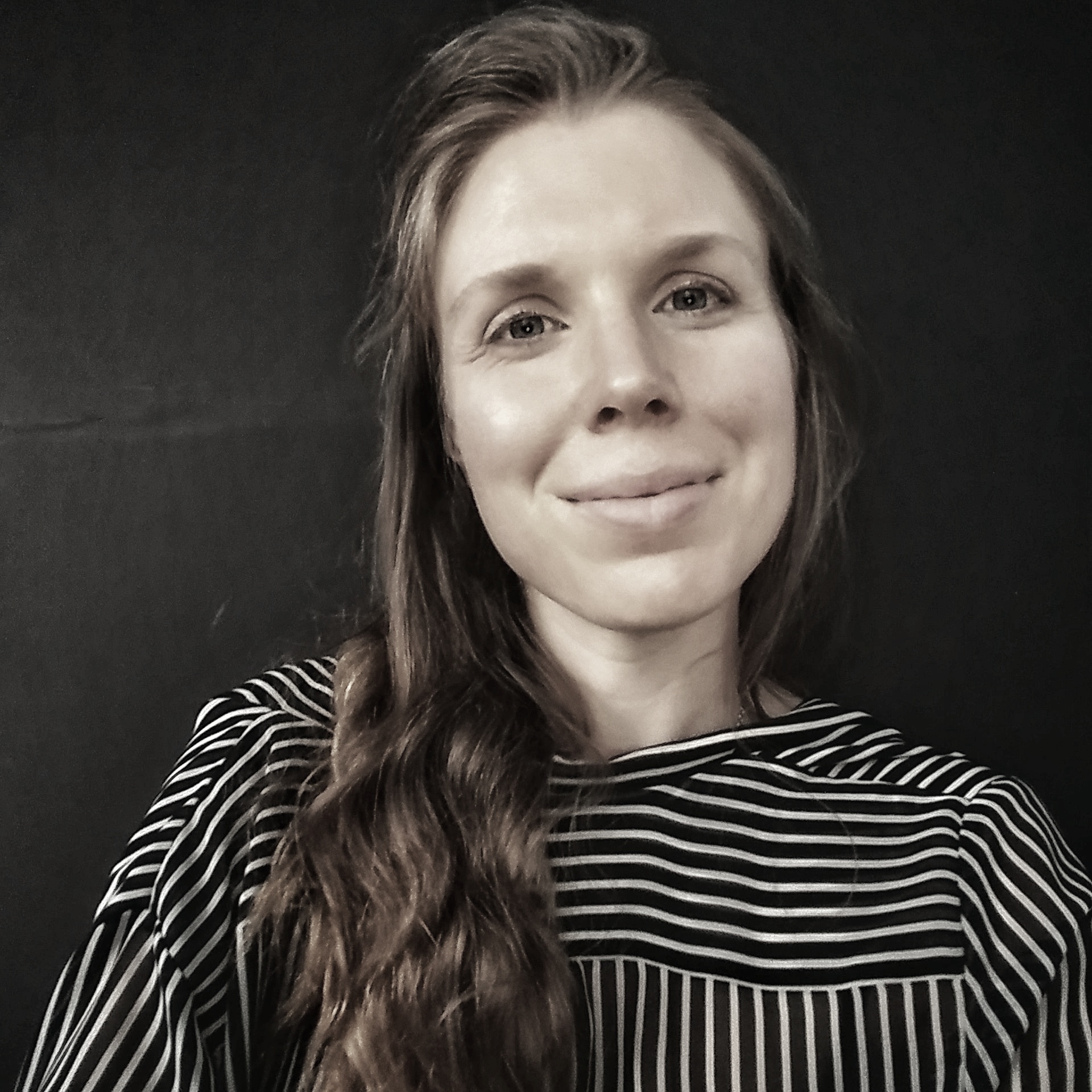
AMHIG is delighted to announce the winners of our Annual Graduate Student Paper Prize!
Congratulations to Meghna Roy (Finalist) and Dina Bork (Runner-Up) for their excellent submissions. This year’s competition was especially strong, and we are thrilled to recognize the intellectual contributions of both awardees.
We look forward to celebrating their achievements at our annual membership meeting and at the Society for Medical Anthropology Awards Ceremony.
Below you will find short bios and paper abstracts for both of our winners.
Biographies:
Meghna Roy is a Doctoral Research Fellow in Social Anthropology at the University of Oslo. Her research interest lies in self-cultivation practices and epistemologies of healing. Her ethnographic fieldwork in Bengaluru, India, explores emerging subjectivities of trainee psychotherapists within shifting landscapes of mental health.
Dina Bork is a Doctoral Candidate at the University of Alberta, Canada. Her research in anthropology of mental health, funded by the Social Sciences and Humanities Research Council of Canada (SSHRC), tracks the paths clinicians and service users take in addressing apparent mental illness, especially in cases of co-occurring psychological and physical symptoms. Dina’s work uses a range of ethnographic methods to explore clinician and service user’s accounts of navigating institutional and epistemological barriers to implementing/accessing appropriate healthcare interventions and improving health outcomes.
Paper Abstracts:
Child is the mother of woman: Making of the relational individual at a counseling training program in India
Author: Meghna Roy
Does psychotherapeutic counseling promote individualism? Based on 12 months of
ethnographic fieldwork in Bengaluru, I examine how postgraduate trainees in counseling
psychology engage in “self-work”—a form of introspective practice mandated in their training. While counseling is often perceived in Indian public discourse as self-indulgent or disruptive to familial harmony, trainees accept their families in pursuit of autonomy. Instead, they frequently reposition themselves within complex kinship dynamics, looking to break the cycle of intergenerational suffering tied to gender in a patrilineal and patrilocal system. The trainees, typically “upper”-caste, middle-class women in their early twenties, often describe their identities in relation to maternal figures in the family. Through guided reflection, they try to repair not only their own emotional wounds but also the fractured sense of self of their closest kin. Self-work activates inhabiting multiple subject positions—those of daughter, caregiver, and future therapist—destabilizing understandings of individualism as a universal given into a concept done and re-done in local moral worlds. By attending to emergent subjectivities, this paper highlights how psychotherapeutic training centers on a relational individualism, where the work of becoming a counselor is inseparable from, for instance, the work of being a daughter. In doing so, the paper contributes to the anthropology of mental health by situating counseling training within the sociality of family and peers, the cultural grammars of kinship, and the structural inequalities of caste, class, and gender.
Mental healthcare from a GP perspective: an ethnographic case study of diagnostic storytelling in general medical practice in Canada
Author: Dina Bork
This paper presents an ethnographic case study of expert decision making in the provision of mental healthcare in general medical practice. Ethnographic fieldwork in Alberta, Canada included interviews with an experienced general practitioner (GP) regarding her clinical decision making related to service users who present with mental distress. The GP provided accounts of her experiences mobilizing a range of therapeutic interventions belonging to different mental health paradigms, including psychopharmaceutical treatments, education, variants of psychotherapy, physical investigation/treatment, and talking further with patients in attempts to contextualize their concerns. Themes drawn from interviews include recognizing multiple contributors to mental distress and using multiple interventions to both negotiate uncertainty and improve mental health. The paper shows that clinical decision making can rely on GP’s identification of patient ‘types’—not in the sense of static universalising psychiatric categories, but as an array of narrative templates that help practitioners to negotiate multiple (in)compatible epistemic frameworks for understanding and responding to mental distress. By highlighting the plurality in therapeutic practice of mental healthcare beyond psychopharmaceutical treatment, the paper increases sensitivity to the variability of mental distress in individuals seeking mental healthcare from medical professionals and the complexity of clinical expertise that may guide application of mental health interventions.